We now live in a nation where liberty is endlessly invoked, rarely practiced, and ceremonially buried with honors when it becomes inconvenient.
We are told, with admirable regularity, that certain truths are self-evident. This is fortunate, because if they required evidence, witnesses, or a functioning Constitution, we might be forced to admit that many of them have gone missing. Life, Liberty, and the pursuit of Happiness, for example, now appear to be available on a sliding scale, redeemable only with proper documentation and an absence of inconvenient proximity to federal authority.
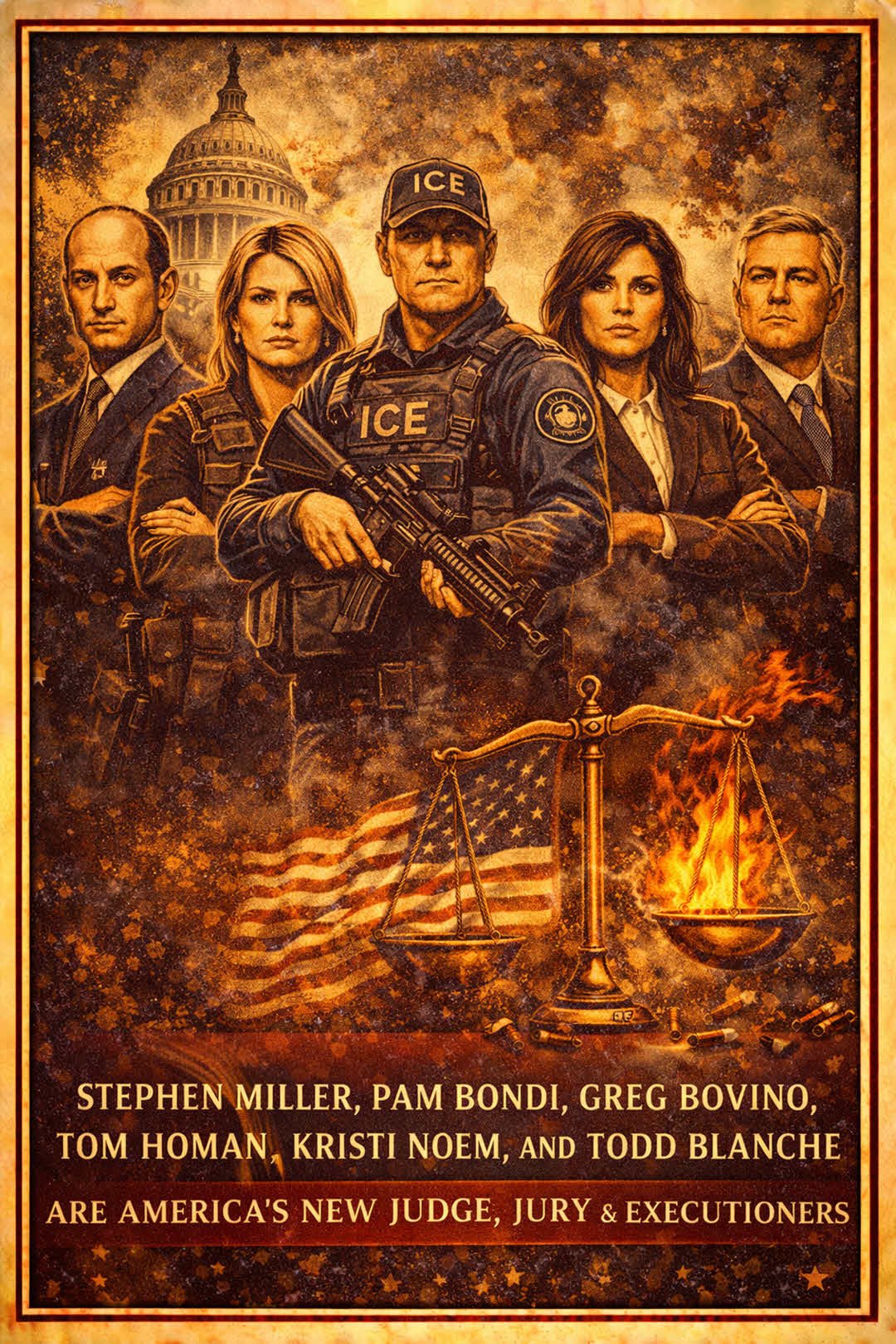
Take the recent American tragedy, whereby a man may lose his life and then, as a courtesy, be relieved of his good name as well. This is very efficient. We must give credit where credit is due and give credit to Donald Trump, Kristi Noem, Stephen Miller, and Bovino, who have decided that this killing was completely justified, even before any investigation. Why stop at killing when one can also tidy up the narrative? The White House, ever concerned with appearances, has discovered that death is messy, but defamation is clean, especially when the victim cannot object.
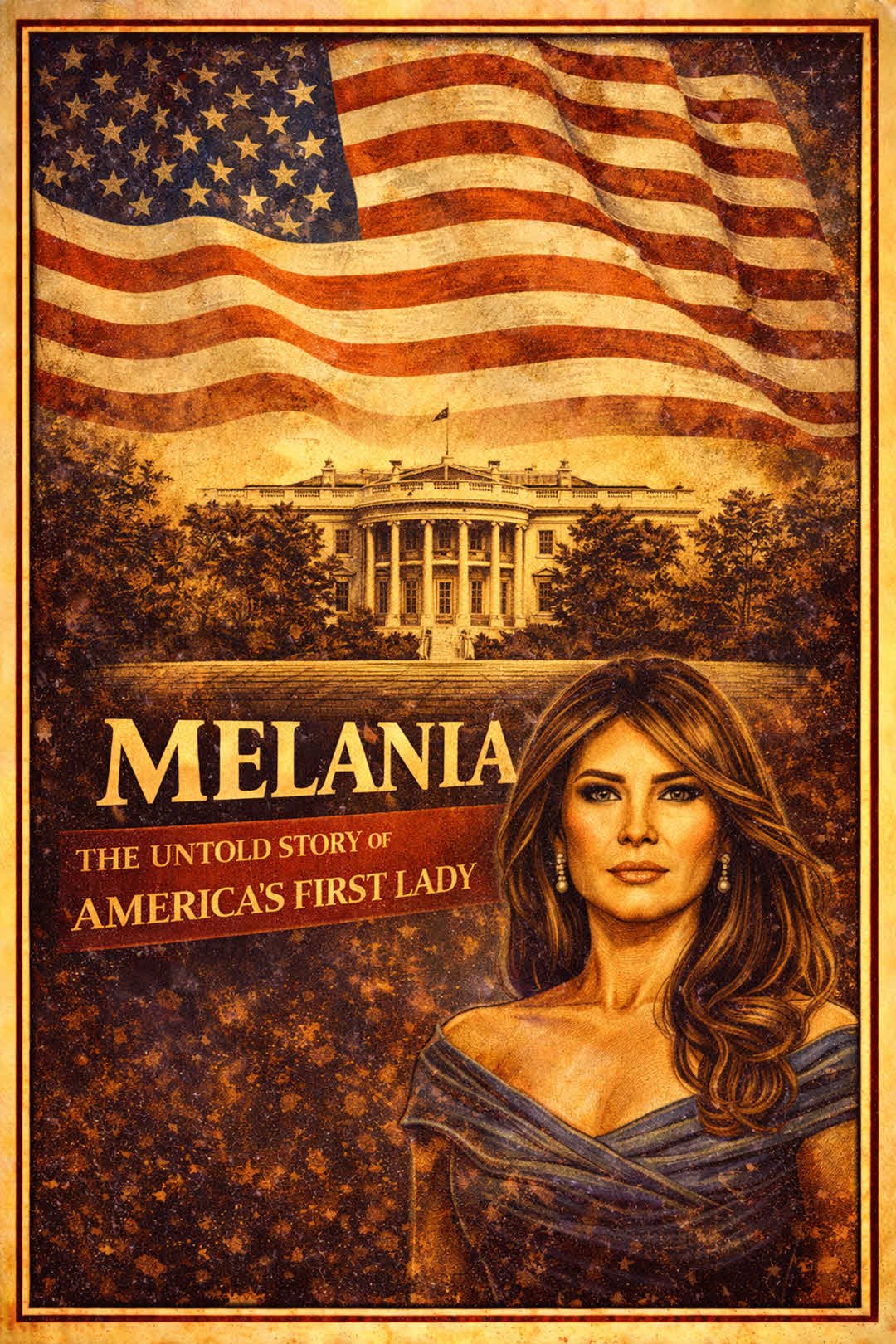
Meanwhile, as bodies cool in Midwestern morgues, our high priests of Capital gather reverently at the Executive Mansion—not to mourn, but to screen a film. History will record this as a triumph of priorities: the republic trembles, the Constitution smolders, and Silicon Valley applauds politely between sips of chardonnay. It is comforting to know that when liberty is inconvenient, there will always be a documentary premiere to distract us.
As for accountability, it has been thoughtfully anonymized. We are not meant to know the names of the ICE agents. Names create friction. Names invite questions. Masks are much tidier, allowing violence to be committed in the abstract, by symbols rather than people. The faceless are always easier to praise, promote, and protect.
This is not progress towards a better society.
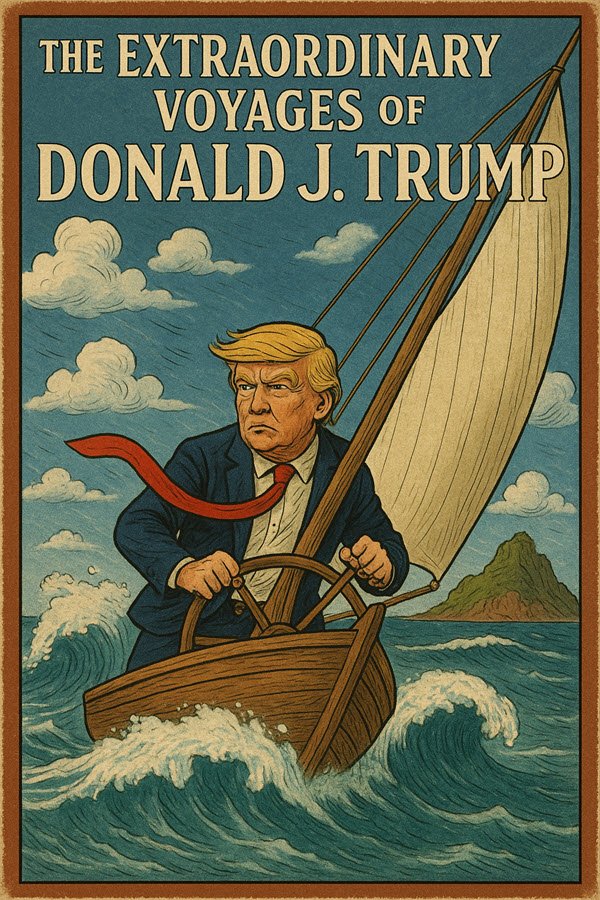
We are assured, of course, that all of this is very American. It involves uniforms, flags, solemn language, and the occasional invocation of God. If it feels authoritarian, that is merely because freedom now requires a firm hand, preferably one unencumbered by courts, due process, or an irksome Bill of Rights. Indeed, the firm hand of Donald Trump.
At this point, tradition demands a quotation from the Founding Fathers, so let us oblige. “Give me liberty or give me death,” we say, nodding gravely, before returning to our seats to watch liberty be quietly escorted out of the room. The phrase is magnificent, even if it survives largely because it flatters us. Myth, after all, is far more comfortable than responsibility.
And here we arrive at the genius of the age: the reconciliation of tyranny with patriotism. We may despise power when it is exercised against us, but we admire it when it is exercised for us—or at least against someone we are encouraged not to recognize as fully human. The other. This saves time and moral effort.
Thus, we live in a nation where liberty is endlessly invoked, rarely practiced, and ceremonially buried with honors when it becomes inconvenient. The question is not whether the myth will endure. It always does. The question is how much reality we are willing to sacrifice to keep believing it.