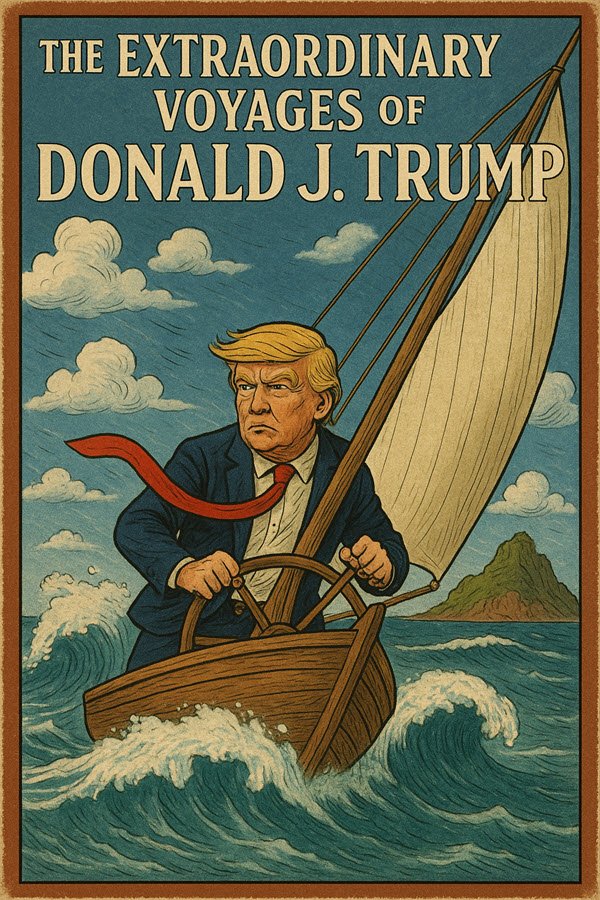
An extremely expensive excursion. One that, like all great vacations, will be remembered long after the bill arrives.
There was a time, long, long ago, roughly three weeks ago, when the war with Iran was described as a “limited operation,” a “quick strike,” a “little excursion.”
It has since matured, like a fine unrefrigerated dairy product, into a $200 billion request to Congress.
Which raises a simple question:
At what exact dollar amount does a “little excursion” become a luxury vacation with missile systems?
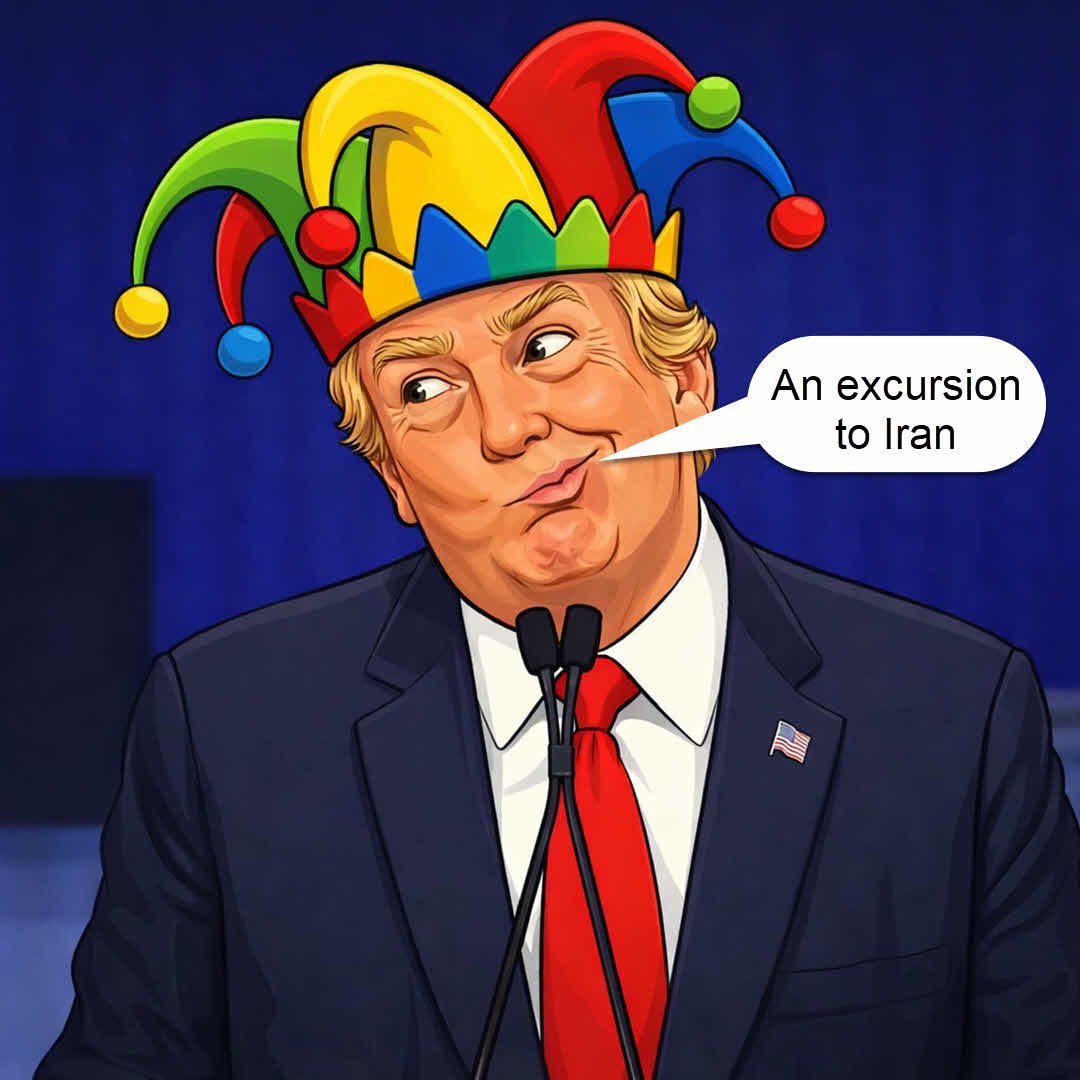
The President and his cabinet, of course, remain calm.
This is all part of the plan.
There is always a plan.
The plan may change hourly, contradict itself daily, and require emergency briefings to explain what the plan used to be. However, it is nevertheless a plan.
And what a plan it is.
Spend $200 billion not merely to fight a war, but to replenish the bombs used in the war, which were apparently consumed at such a rate that the Pentagon briefly resembled a Costco that had run out of toilet paper.
One imagines the scene:
“Mr. President, we’ve used all the missiles.”
“All of them?”
“Every last one.”
“Okay, order more. The best missiles. Tremendous missiles.”
To be fair, war is expensive.
Even the early days of this conflict were burning through cash at a rate that made even seasoned accountants lie wonder what was going on. Analysts estimated costs reaching hundreds of millions per day, quickly escalating into tens of billions.
But $200 billion is not just expensive.
It is aspirationally expensive.
It suggests not merely a war, but a vision for war.
A war with growth potential.
A war that can be expanded.
A war that comes with future upgrades.

And yet, despite this breathtaking financial commitment, there remains one small, almost impolite question:
What, exactly, is the goal?
Ah.
Yes.
That.
The administration has provided several answers:
- Prevent nuclear weapons
- Destroy missiles
- Secure the Strait of Hormuz
- Change the regime
- Not change the regime
- End the war quickly
- Continue the war strategically
It is, in short, a buffet of objectives, carefully curated so that no one need leave unsatisfied—or informed.
Meanwhile, the global economy is reacting in its usual understated fashion.
Oil prices spike.
Shipping routes close.
Markets fluctuate like a man attempting to stand up in a canoe.
And somewhere in Washington, a spreadsheet quietly updates itself to reflect the cost of this “little excursion,” adding another few billion dollars while no one is looking.
The truly remarkable feature of this moment is not the cost itself, but the casual tone in which it is discussed.
Two hundred billion dollars.
Said aloud, it barely causes a ripple.
No one gasps.
No one faints.
It is treated as a rounding error with explosions.
And yet, for context:
That sum could fund healthcare, infrastructure, education, or any number of domestic priorities and issues that are routinely described as “unaffordable.”
Apparently, those things are fiscally irresponsible.
War, however, is a bargain. And, everyone likes a bargain.
The administration assures us that this is all necessary.
Temporary.
Strategic.
“Worth it.”
Because, as one official delicately explained, sometimes you must “escalate to de-escalate.”
This phrase deserves admiration.
It suggests that the best way to calm a fire is to add gasoline, but in a very controlled and thoughtful (perhaps even considerate) manner.
And so, the nation moves forward, confidently investing $200 billion in a war that was supposed to be quick, simple, and possibly over by now.
The President remains optimistic.
The strategy remains flexible.
The costs remain theoretical.
Until they are not.
History has seen this before.
Wars that begin as minor engagements.
Operations that promise speed and clarity.
Leaders who assure the public that everything is under control.
And budgets that quietly swell until they resemble the very thing they were meant to avoid.
But this time is different.
This time, it is not a quagmire.
It is not a miscalculation.
It is not an open-ended conflict.
It is simply—
an extremely expensive excursion.
One that, like all great vacations, will be remembered long after the bill arrives.