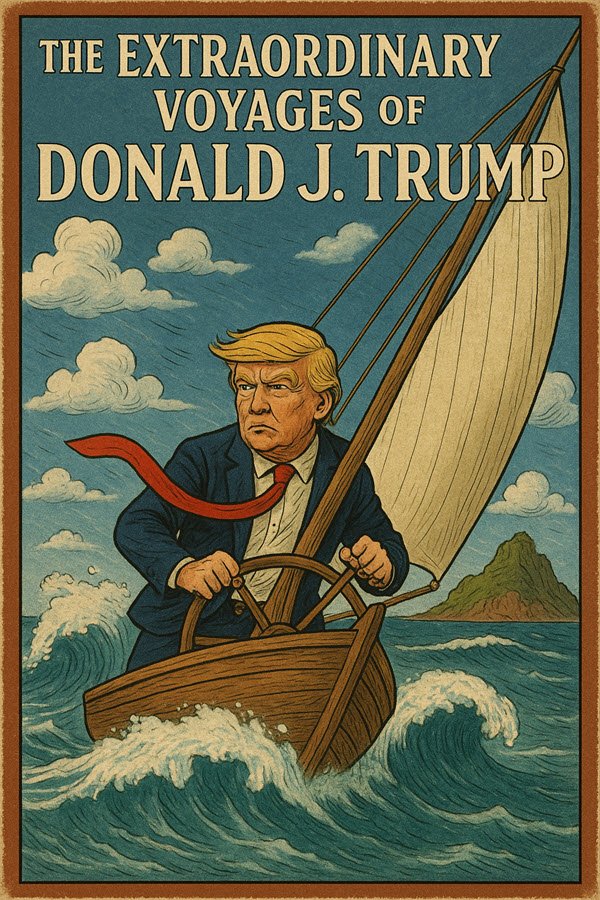
Reliberation Day – We Must Be Liberated Again!
Tariffs failed. Trade collapsed. Efficiency is under siege. The bombing continues. Same policy, different excuse.
Good morning! Donald Trump may be preparing to announce Reliberation Day because the first Liberation Day failed to liberate Americans from high prices, unstable markets, dwindling export customers, or the need for another round of tariffs wearing a different legal costume.
The original “reciprocal” duties were struck down by the Supreme Court in February. The temporary 10 percent global tariff imposed afterward expires Friday. So the administration is now rifling through the federal code like a burglar looking for a window someone forgot to lock, assembling replacement tariffs through forced-labor investigations, excess-manufacturing-capacity probes and obscure provisions written when Herbert Hoover was still wondering whether Smoot-Hawley might perk things up.
The policy remains constant. Only the statutory excuse changes.
Trump signed orders Monday imposing 50 percent tariffs on a broad assortment of Canadian products, including wine, dairy products, plywood, furniture, paper, cement and hockey sticks. The formal justification was not Canadian wildfire smoke, despite Trump’s threat last week to make Canada pay for the “filthy” air invading the United States. Nor did the administration allege that smoke had directly interrupted American commerce.

Instead, officials invoked Section 338 of the Tariff Act of 1930 and accused Canada of discriminating against American automobiles, dairy products, and alcohol. The provision has apparently spent nearly a century waiting for a president sufficiently committed to reliving the Great Depression.
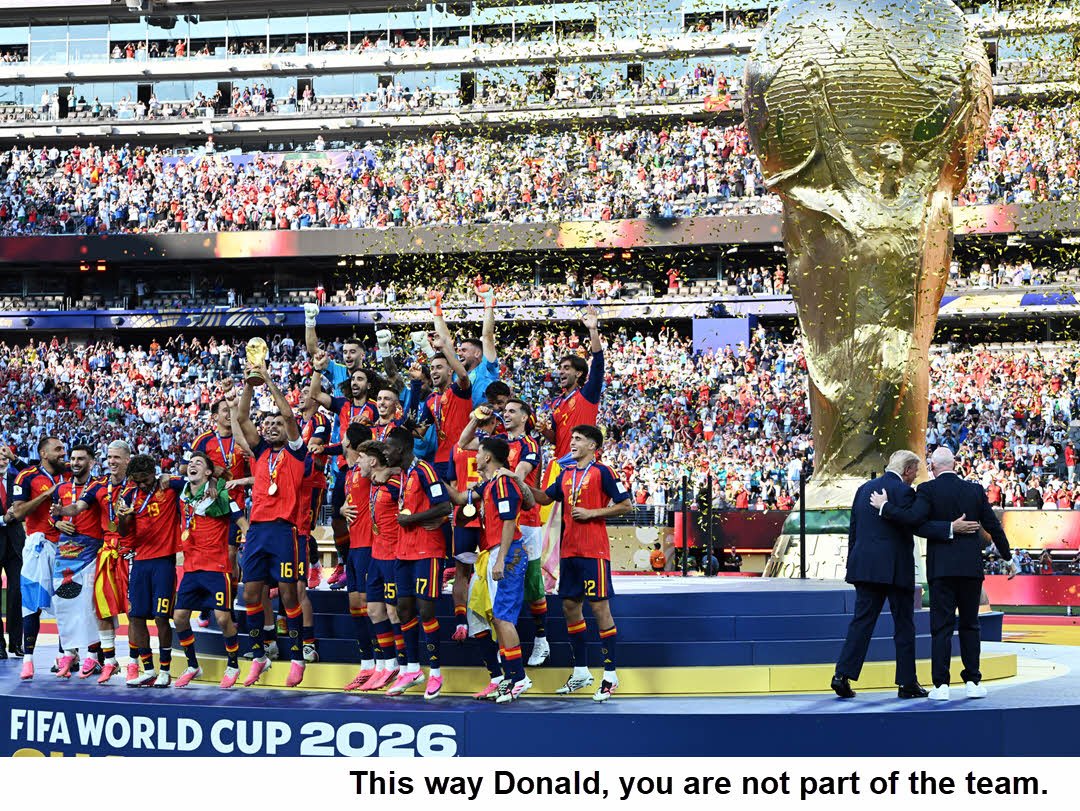
Trump was booed at the World Cup final on Sunday; Canadian Prime Minister Mark Carney was not. Twenty-four hours later, Canada got 50 percent tariffs, trade policy, and wounded vanity; in this administration, trade policy and wounded vanity rarely stay separated.
The broader tariff barrage was already being prepared. Officials have developed options for imposing duties of between 10 and 12.5 percent on roughly 60 countries under a Section 301 investigation into forced-labor practices. Additional investigations into excess manufacturing capacity could produce even higher tariffs on the European Union, China, Japan, South Korea, India, Mexico, Vietnam, and a long list of other economies.
The administration says forced labor creates the legal authority. Political concerns have apparently helped determine which products deserve moral urgency and which deserve an exemption.
Beef and coffee have been spared some tariffs because officials fear making groceries more expensive before the midterm elections. Aircraft parts have received consideration because grounding planes is less popular than liberating them. The ethical emergency appears to end somewhere between the supermarket checkout and the departure gate.
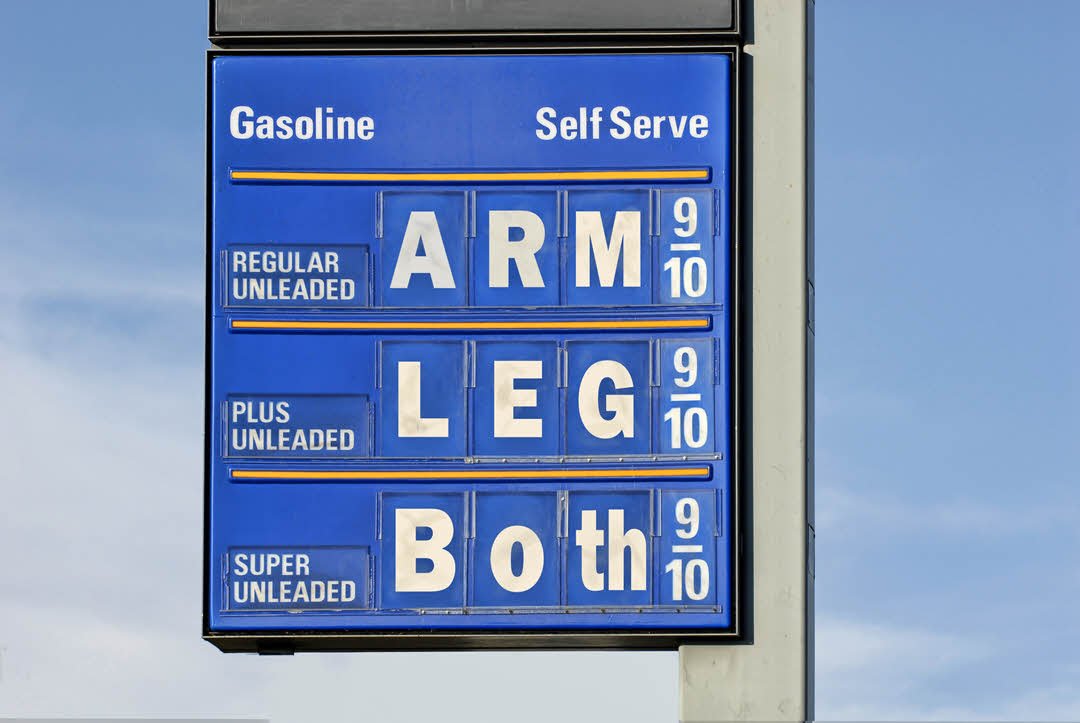
Senior advisers are reportedly urging Trump to proceed cautiously because voters already disapprove of his handling of the cost of living, gasoline has climbed above $4 a gallon, and the Iran war continues to shake global energy markets. Their argument is essentially that another major trade shock could be politically inconvenient while Americans are already paying for the previous shocks.
Trump’s answer appears to be another major trade shock.
This would be alarming enough if we did not already know what happened the last time he liberated American producers from their customers.