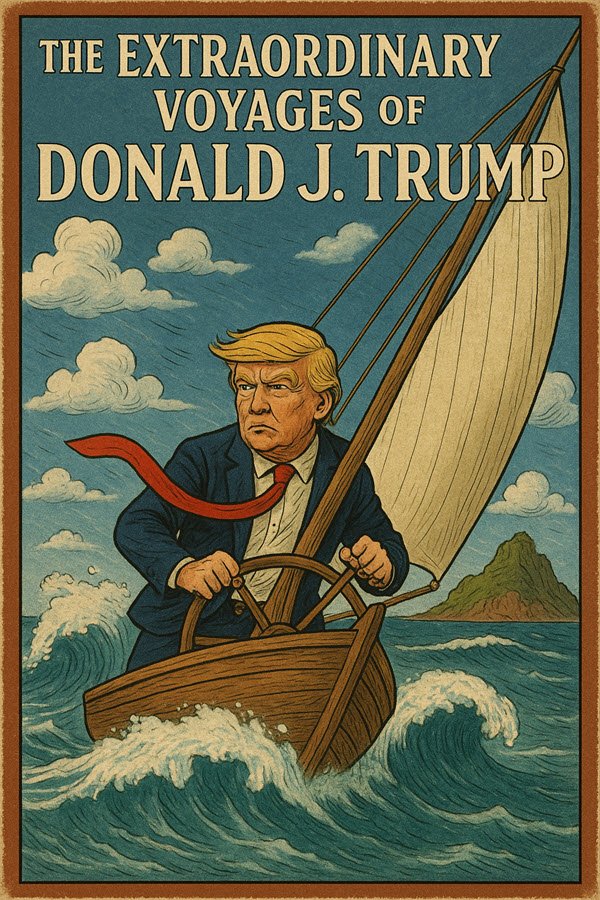
Once countries conclude that America’s word is good only until the next social media post by Donald Trump, they begin making other arrangements.
There are many old-fashioned ways to conduct diplomacy. Nations can negotiate. Lawyers can draft language. Officials can initial documents. Ministers can sign agreements. Governments can issue statements. Everyone can stand in front of flags, shake hands, and pretend the world has become slightly more orderly for the benefit of photographers.
Then there is the Trump method, in which a deal is signed on Wednesday and becomes a hostage note on Thursday.
The latest example involves Saudi Arabia and a civilian nuclear agreement with the United States. One day, the arrangement looked real enough: signed, announced, praised, and presented as another gleaming example of American nuclear cooperation and leadership. The next day, Trump took to Truth Social and announced that the deal was “totally subject” to Saudi Arabia joining the Abraham Accords.
In normal diplomacy, a condition this large would be negotiated before the agreement was signed. In Trump diplomacy, that would be cowardly. Why resolve a major geopolitical demand during the negotiating process when you can spring it afterward from your social media account, like a raccoon popping out of a cake at a state dinner?
The White House, attempting to turn the fog machine into doctrine, explained that Trump is the “final dealmaker.” This is an important concept. Apparently, U.S. negotiators may spend months working through national-security concerns, nuclear safeguards, energy cooperation, regional politics, and Saudi sensitivities, but their work remains provisional until the president wakes up, sees how the deal is playing with the media and polling, and decides whether it needs a new plot twist.
This is not so much the art of the deal as the art of the post-credit scene.
The Saudis may now be wondering whether they signed a bilateral agreement or subscribed to a useless newsletter. One Saudi source reportedly suggested that “tweets don’t overturn signed agreements,” which is a charming sentiment from a world where words still mean things. Unfortunately, they may be negotiating with a man who believes reality is a draft document and Truth Social is a magic eraser.
Trump has always treated agreements less as obligations than as branding exercises with optional follow-through. A normal negotiator gets the best deal possible, signs it, then sells it to the public. Trump messes up the order. He signs something, listens for applause, checks for criticism, and then retrofits the agreement so it better serves the next performance.
If critics say the Saudi deal is too soft, suddenly it grows new conditions. If hawks complain that Iran got too much, suddenly Iran agreed to things Iran did not agree to. If an ally believes it has a commitment, it should consult the warranty, which expired three minutes after the press conference.
This is exhausting for everyone who mistakenly believes treaties, contracts, memoranda of understanding, and signed agreements should retain meaning after lunch.
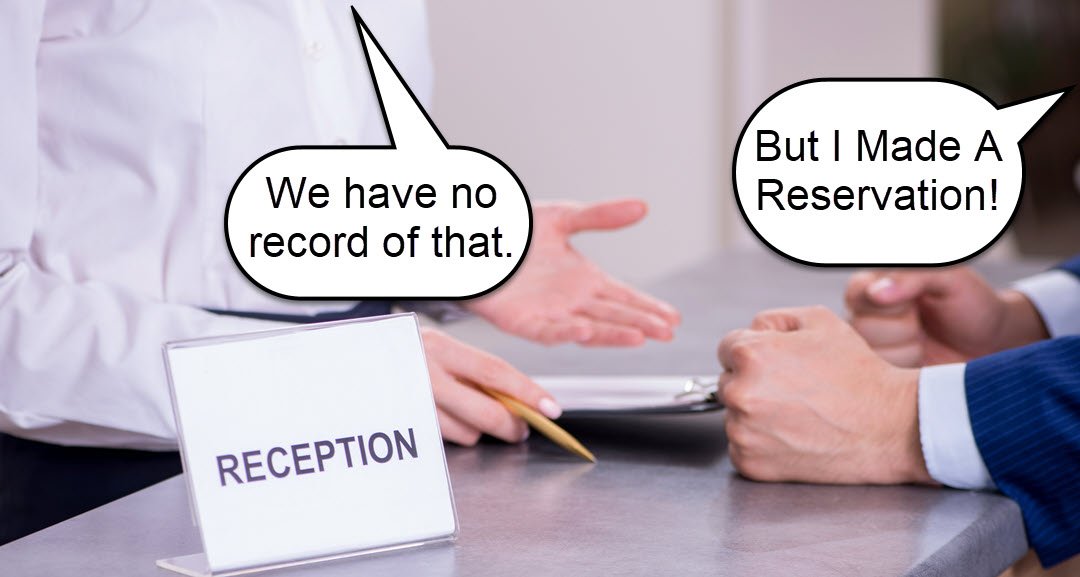
The deeper problem is not merely confusion. It is credibility. The United States cannot conduct serious foreign policy if its commitments behave like hotel reservations made by a man arguing with the front desk about a reservation he never made. Other countries watch these episodes. They learn. They adapt. They discover that a handshake with America may now come with invisible ink, footnotes written later, and a presidential mood clause.
Trump likes to imagine the world running on his personal IOUs. But trust, unlike Trump steaks, cannot be relaunched indefinitely. Once countries conclude that America’s word is good only until the next social media post, they begin making other arrangements. They hedge. They delay. They demand more. They assume every American commitment comes with a trapdoor.
And who can blame them?
A signed deal should be the end of negotiation, not the beginning of improvisational dinner theater. Yet here we are, watching the United States tell Saudi Arabia: congratulations on the agreement; now please accept the condition we forgot, chose not to mention, or invented after seeing the reviews.
Perhaps this is what “final dealmaker” means. Not the person who closes the deal, but the person who keeps reopening it, like a man returning to the car dealership three days later to announce that he wants a sunroof but that it is now contingent on peace in the Middle East.
Do we have a deal?
Under Trump, the answer is always: check his feed.