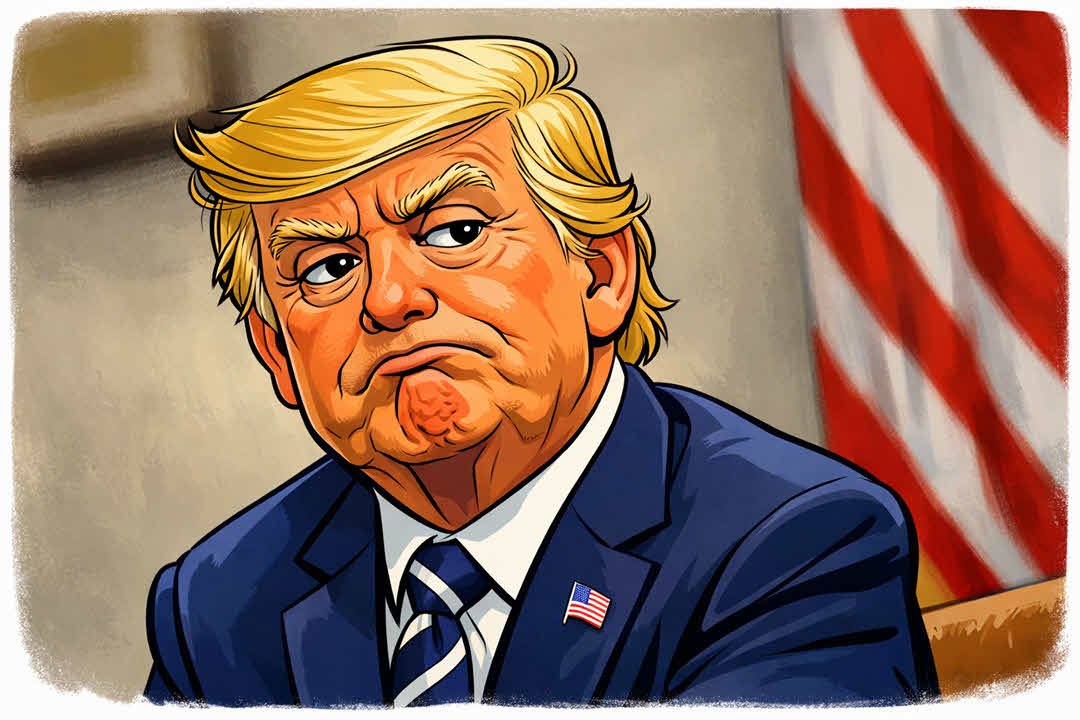
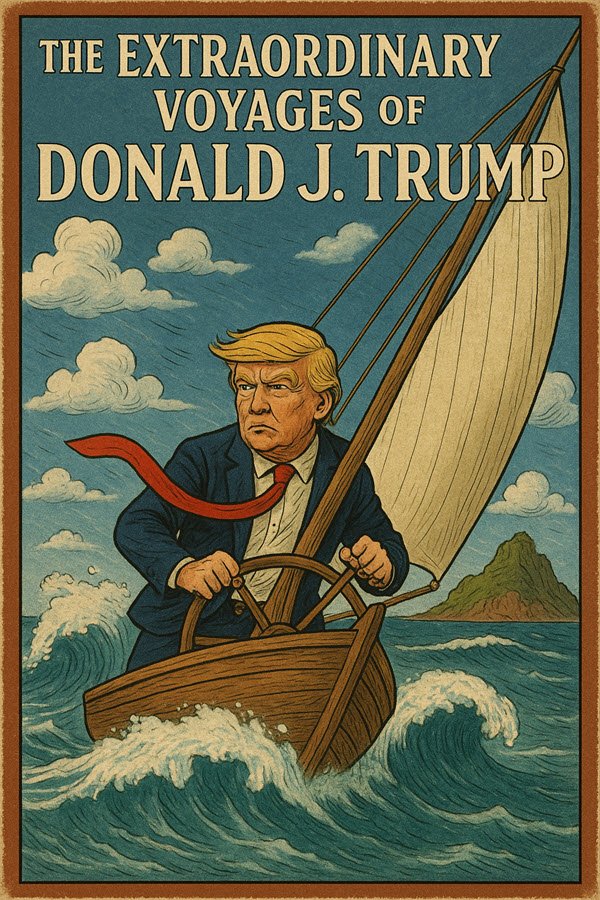
The President insists the war could end “any time I want it to end.”
There is something almost poetic about the name Operation Epic Fury. Not poetic in the Homeric sense, mind you—more in the sense of a teenager naming his garage band Skull Thunder Apocalypse after drinking three energy drinks and watching a YouTube video about Vikings.
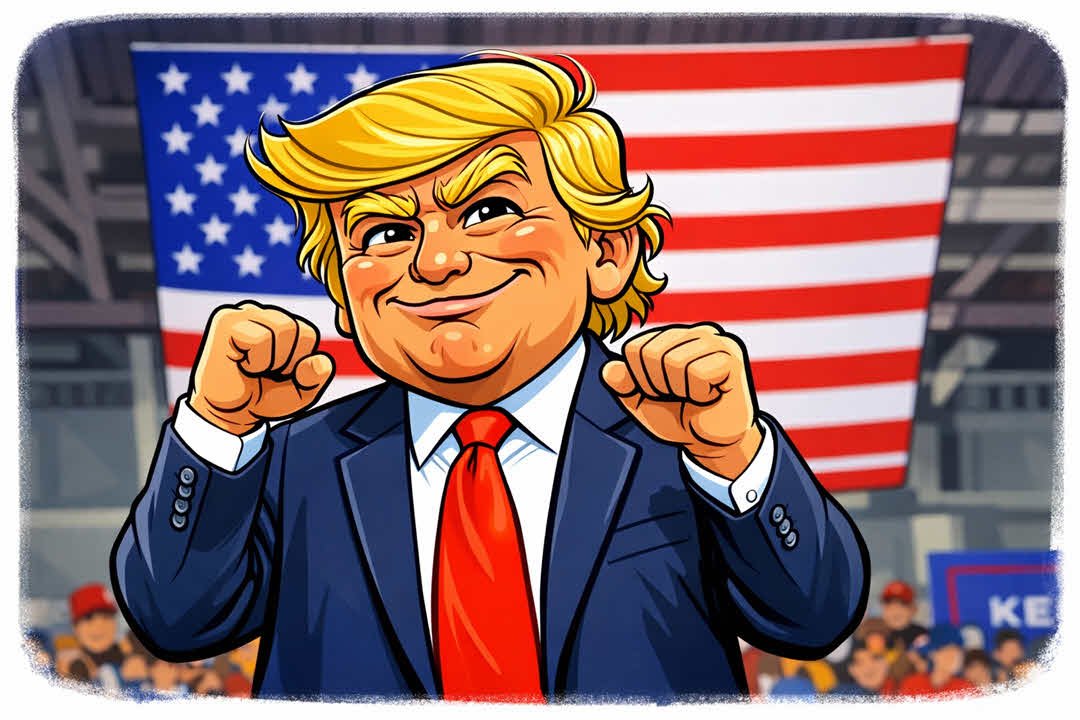
This, apparently, is the official branding for Donald Trump’s latest international adventure: a war he previously described, with his usual historical precision, as “a little excursion.”
Now, traditionally, wars described as “little excursions” do not require names like Epic Fury. They are more in the realm of Operation Quick Look, or perhaps Operation Let’s Just See What Happens. But subtlety has never been the Trump administration’s strong suit. This is a government that names things the way professional wrestling names finishing moves.
And so, the world must now contemplate the geopolitical implications of Epic Fury, which sounds less like a military strategy and more like a fragrance line sold at a gas station.
Naturally, the President assures us that everything is going beautifully.
“The war is going great,” Trump told reporters, which is the kind of sentence that normally appears about three paragraphs before the phrase “unexpected complications.”
The evidence for this alleged greatness is, unfortunately, somewhat mixed.
The Iranian regime remains very much alive. Their missiles, drones, and naval mines continue to function with a persistence that military planners and Trump find rude. The Strait of Hormuz has been closed like a convenience store after a brawl, and oil prices are rising toward $100 a barrel with the cheerful enthusiasm of a rocket.
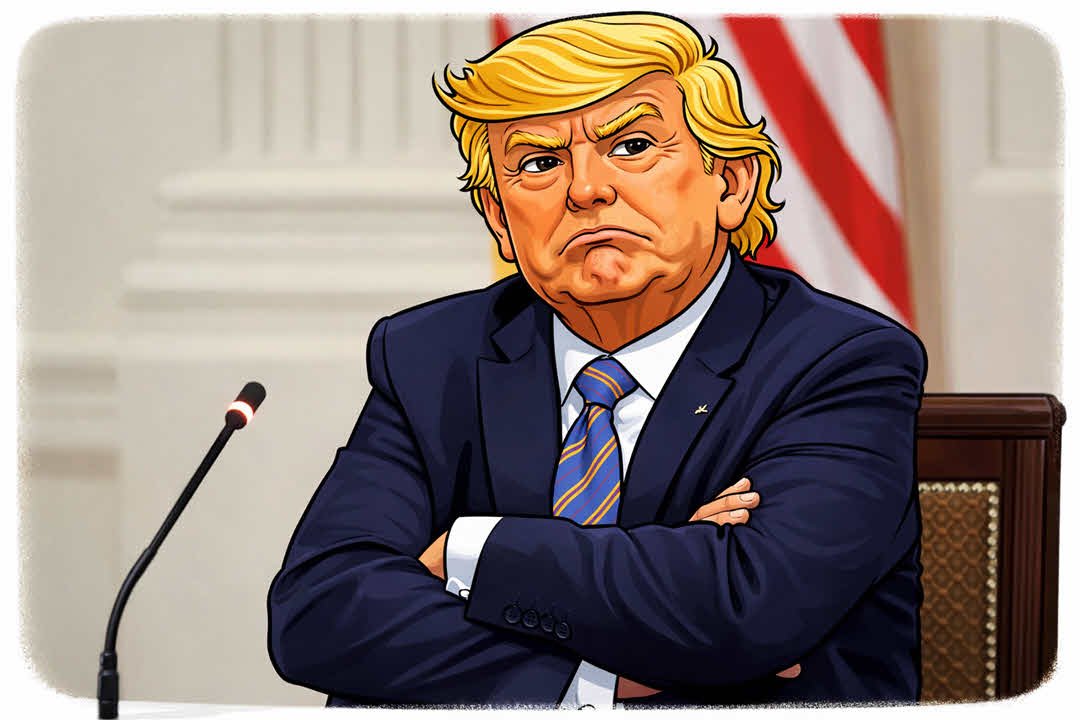
Seven American soldiers have already been killed. Many others are injured. The war costs roughly $2 billion a day, which is impressive when one considers that the same government regularly informs Americans that universal healthcare is financially impossible.
There was also the small matter of an accidental bombing that killed dozens of schoolchildren—an event that historians will likely describe using words such as catastrophic, avoidable, and what exactly were they thinking?
Yet through it all, the White House continues to project confidence.
The President insists the war could end “any time I want it to end.”
Which may be comforting to some (looking at you MAGA).
It suggests that the entire Middle East conflict now operates on the same principle as a reality television show: the host can simply declare the episode finished whenever ratings dip.
One suspects that even Trump may sense, somewhere beneath the layers of bravado and cable-news applause, that Operation Epic Fury is not unfolding exactly as planned.
Because there is a certain pattern here.
Wars launched with grand theatrical titles tend not to age well. History is full of them. They begin with banners and speeches and heroic adjectives. Then they slowly devolve into spreadsheets of casualties, fuel prices, and awkward congressional hearings.
And eventually the triumphant name begins to sound less like prophecy and more like irony.
Which is why one suspects that Epic Fury may soon undergo the classic Washington rebranding process.
Perhaps Operation Strategic Pause.
Or Operation Mission Mostly Accomplished.
Or, if honesty briefly visits the capital of the United States:
Perhaps, Operation Well, That Escalated Quickly.
The most likely outcome, of course, is that the President will simply declare victory one afternoon, preferably during a televised event with large flags and an even larger podium.
The war will end.
The speech will be given.
The applause will be arranged.
And the rest of the world will quietly file Operation Epic Fury into the long historical folder labeled:
Things that sounded impressive at the time.